We found paradise!

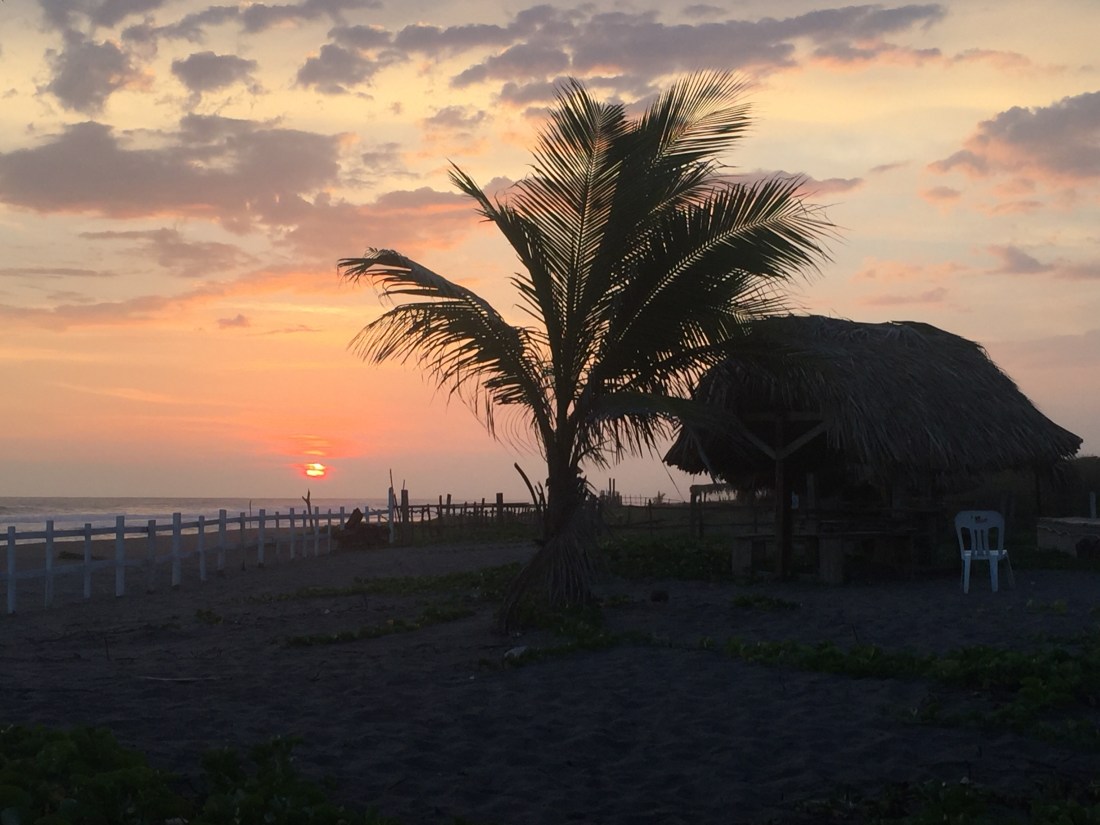
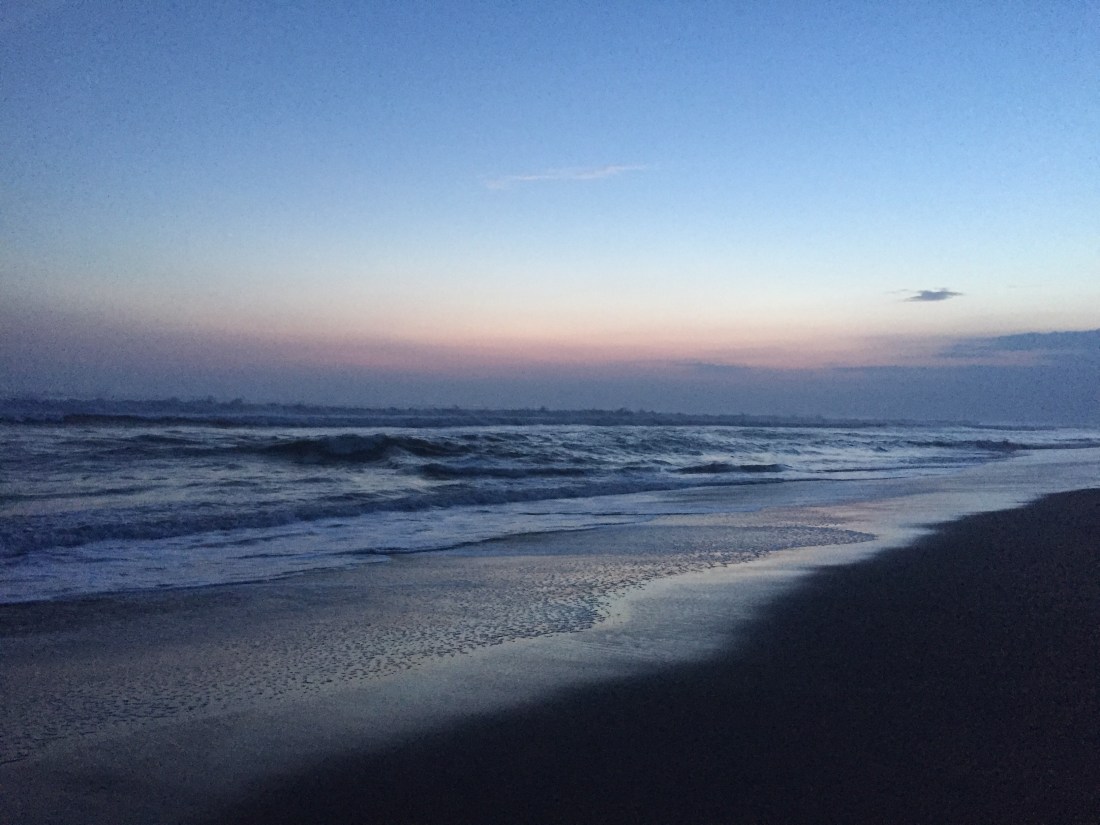
We went rogue and it was so worth it. After another winding bus ride, an hour in a packed colectivo, a walk down a dirt track, a trip across the lagoon in a boat, we finally arrived at Madre Sal. It’s essentially an ecotourism project run by locals, yet to be discovered by international tourists, that sits on a sandbank between the Pacific Ocean and a peaceful lagoon surrounded by mangroves. On arrival we noticed a scarily long green & black snake slithering about, but swiftly forgot about him as we settled into our cabin. We wandered to the sea and enjoyed a gorgeous sunset after a long journey.
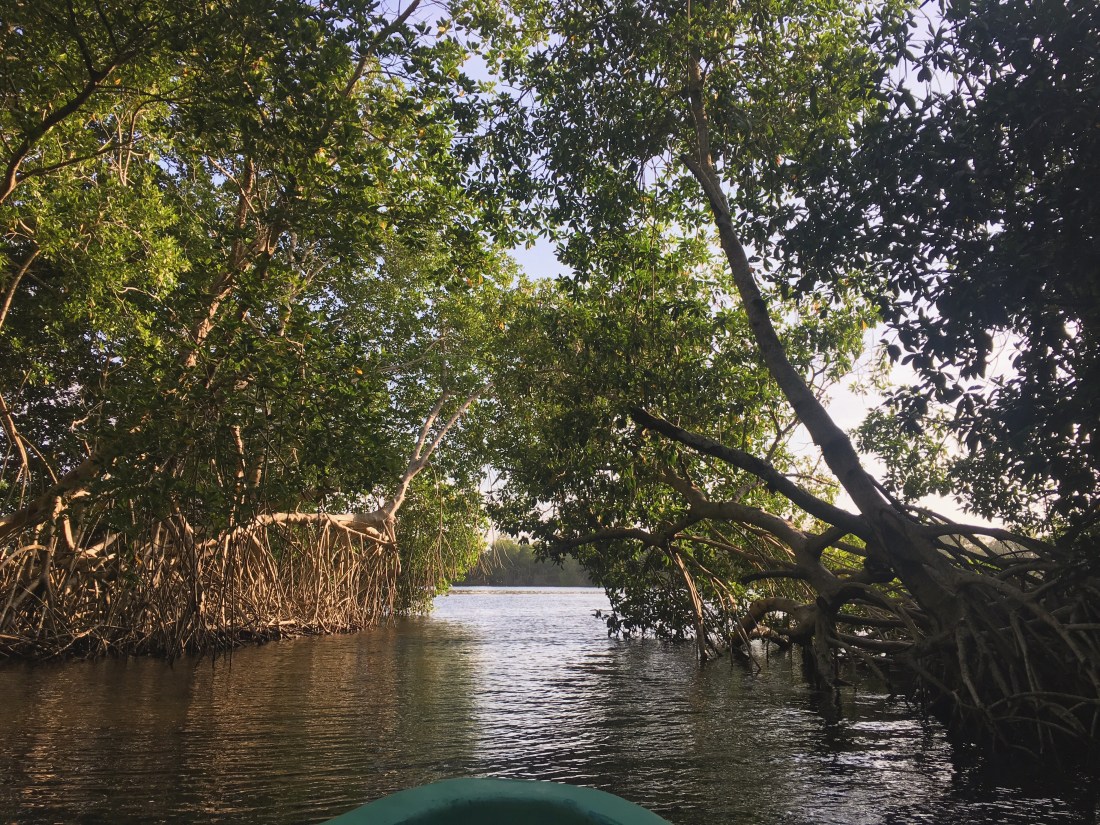
The name Madre Sal comes from one of the four species of mangroves that surround the lagoon, this particular sort having salty leaves (hence the name ‘sal’). It felt like a retreat, with no WiFi at all and electricity for only a few hours a day, as well as a restaurant that closed at 8pm. Each cabin had a lovely veranda with a hammock that meant we relaxed completely. There was also a pool which we enjoyed, and sunbeds to have a good read. Everything was pretty perfect, and even the weather was great! Saying that, we did have a storm one night which was actually quite scary, with thunder roaring overhead and strobe-lightening illuminating the cabin at regular intervals.
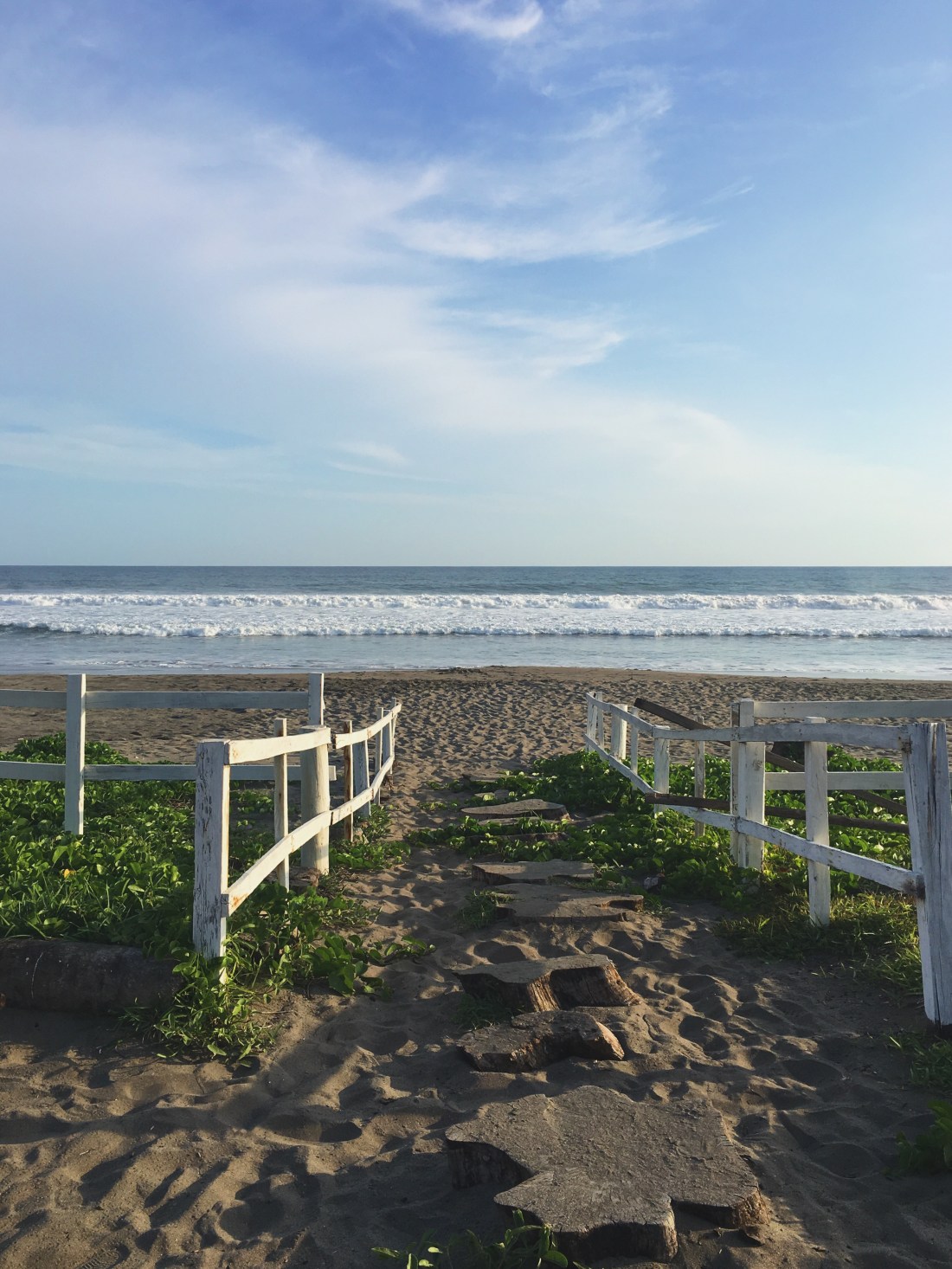
The sea was crazy during the few days we were there, with a very strong current and huge waves that dunked you mercilessly back onto the sand. But I’ll admit it was amazing listen to the waves as we went to sleep! We braved it and jumped in a few times (much to the locals’ surprise) and would then sit in the shade of the palapa huts munching on snook, snapper and prawns (so so fresh). The moon was so bright that it was easy to wander along the endless stretch of sand at night (at one point encountering a herd of angry cows that we are still confused about). Basically, the whole thing was amazing and if anyone is ever in Chiapas, please go and see it for yourself!
Down in the valley

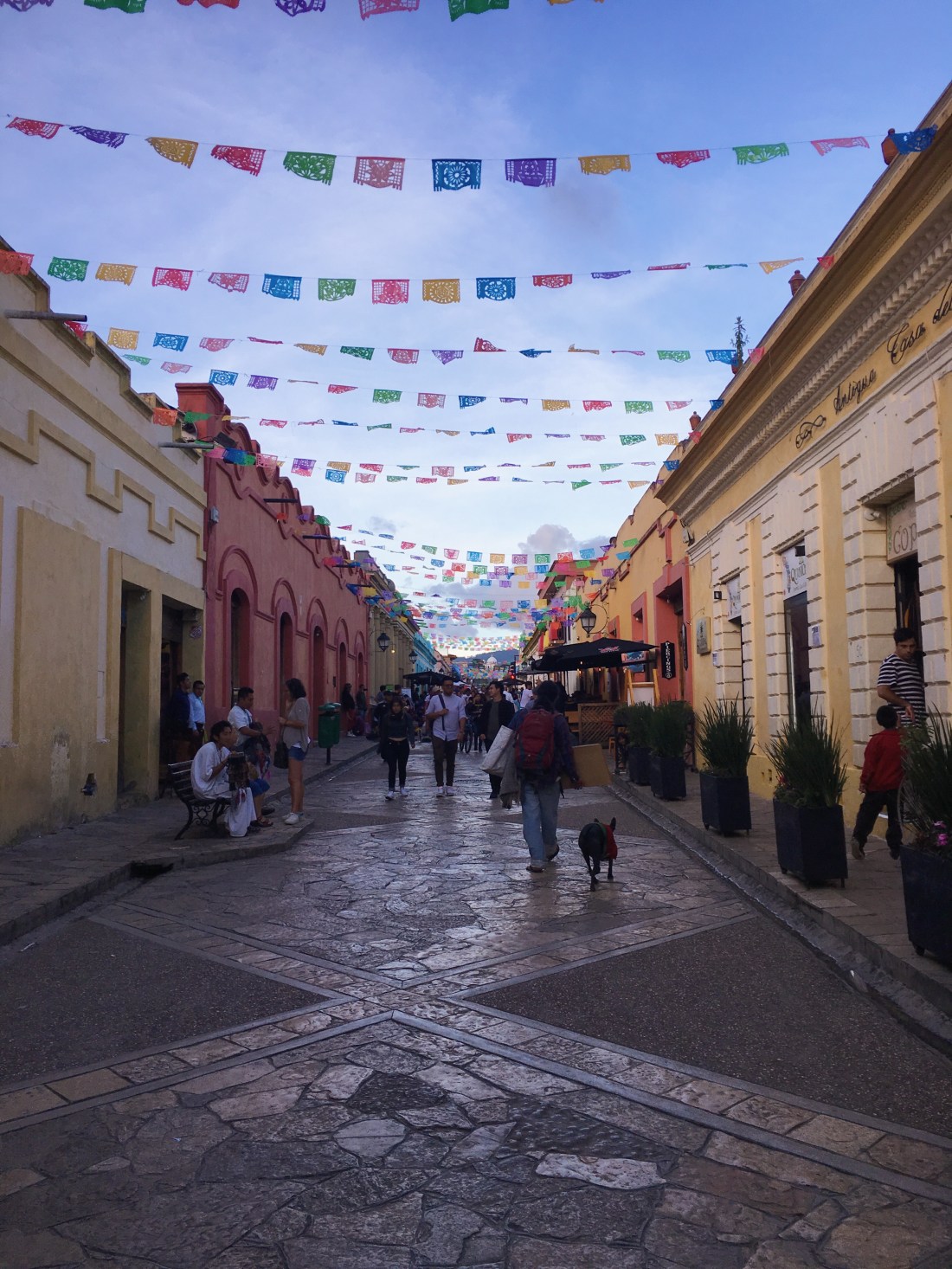
After a 9 hour bus that wound its way along various roads, we arrived in San Cristobal de las Casas, a city sitting in the centre of the mountains. This city is the central point for all the surrounding indigenous areas, meaning the people come here to sell their crafts and clothes. We became accustomed to the altitude fairly easily, and were happily surprised by the drop in temperature (our jumpers came out for the first time since leaving the UK). We spent a lovely few days wandering the cobbled streets (with their street art) and exploring various squares (with their markets). In the day there were loads of people going about their business but after sunset the place lit up with incredible smells wafting from every direction, live music making its way out onto the street, and vendors walking about selling everything from woolly hats to balloons. We had a great hostel in the centre of all this, where we relaxed in the courtyard area and enjoyed breakfasts in the garden. Friday night meant a band and a bonfire, along with a plethora of free cocktails made from pox (the local alcohol made from sugarcane), we weren’t complaining!

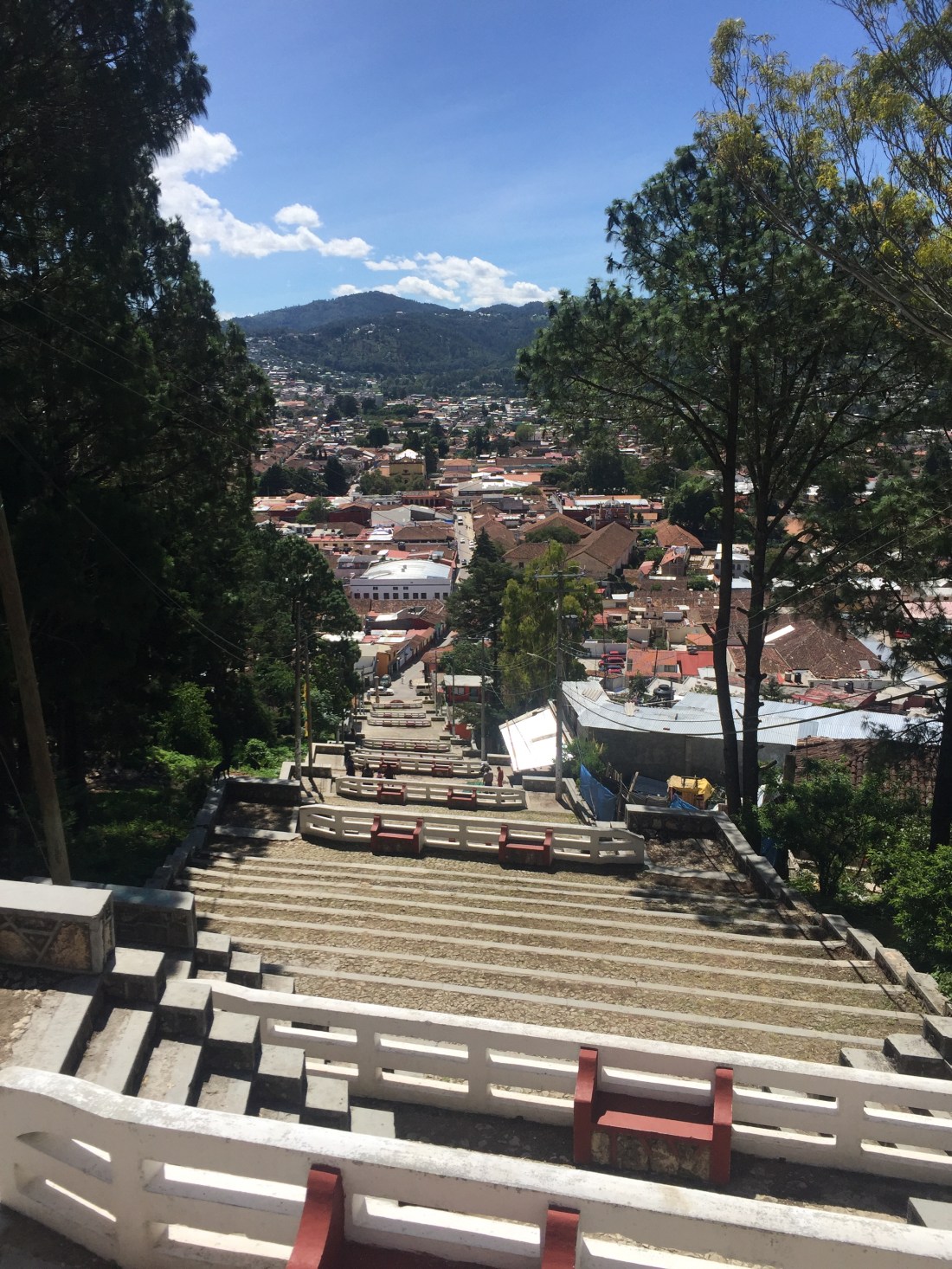
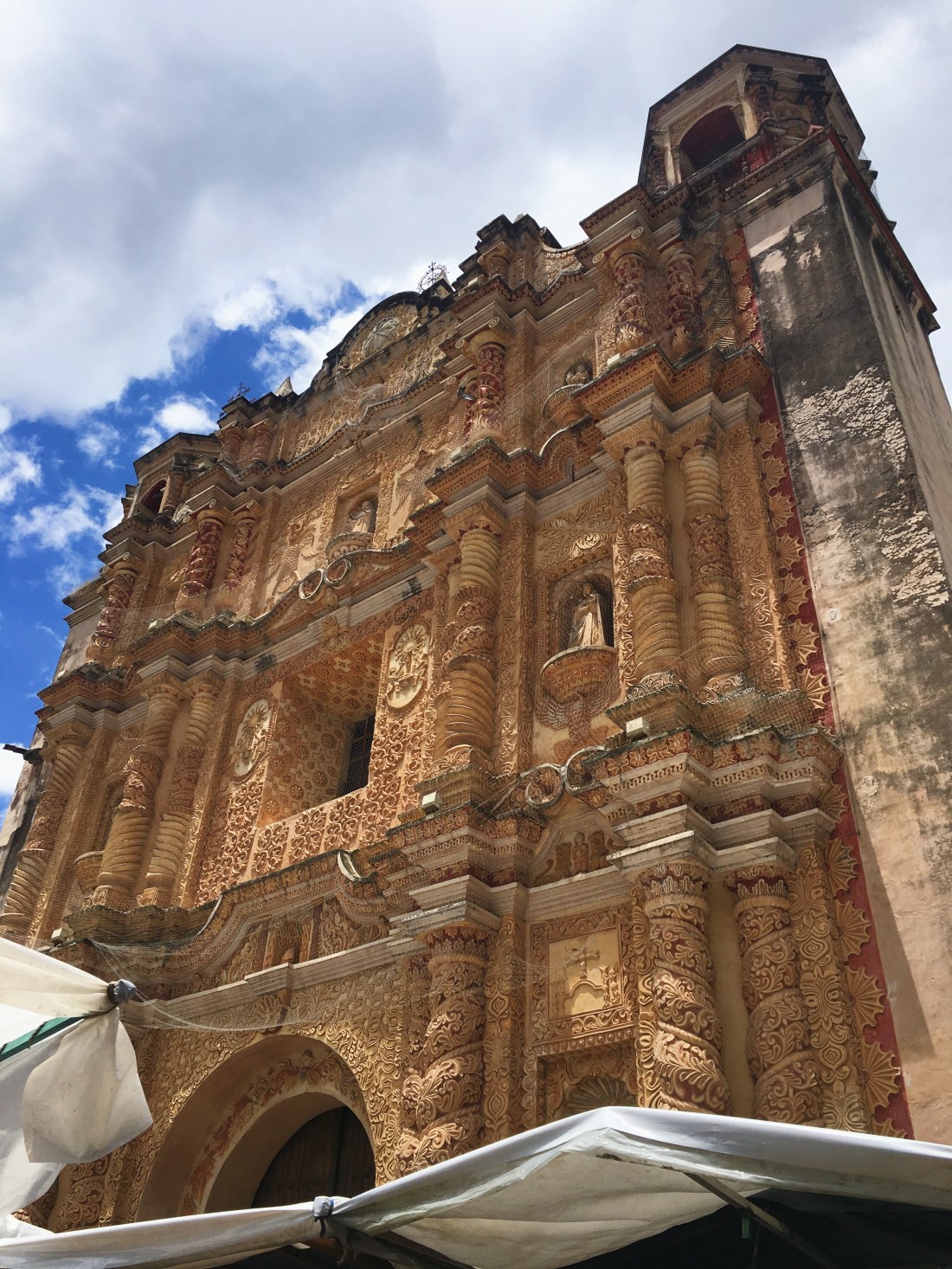
Both days we climbed the church steps for an incredible view of the city nestled amongst the hillside. We followed a trail through a small wood to get back down which was an adventure in itself. The city is dotted with churches, and the convent houses a really interesting museum about the evangelisation of the indigenous people and a gallery for the various textile designs of the area. By the convent there was this beautiful church with an incredible facade (see the picture) and the nearby artesanal market. Nobody hassled us as we pottered about, haggling for some rugs and a few gifts. Later we found a second-hand book shop so I was in my element!

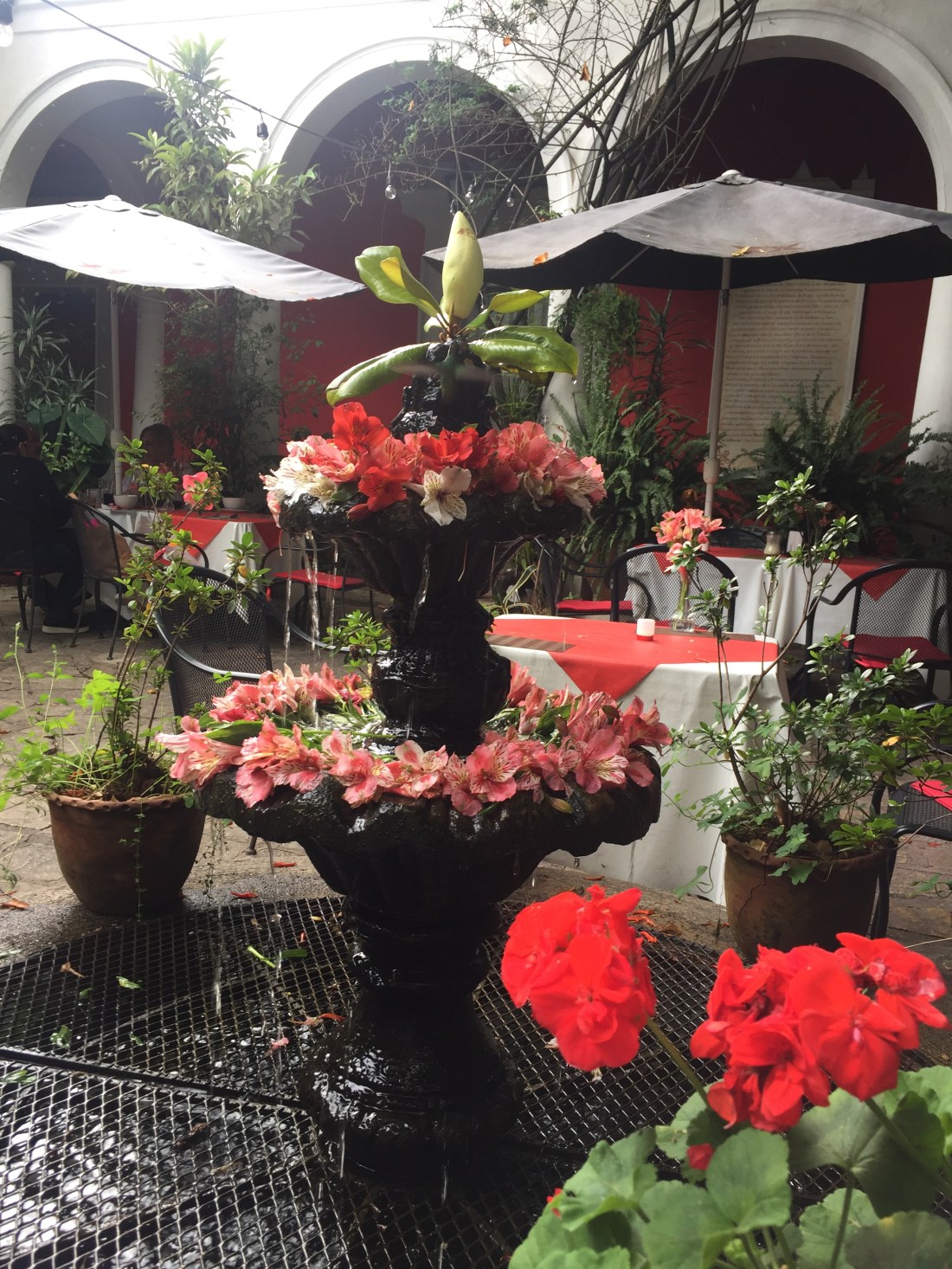
We found some smashing places to munch (some of the best tacos we’ve had), especially the final night when a hot plate full of meat, peppers, onions and cheese arrived. On its side were about ten different garnishes and of course, the tortillas. Another night we’d been to a restaurant run by some indigenous siblings, which was absolutely packed and the food was great. We also found churros and some wonderful vanilla ice cream so had very happy stomachs. We stopped for lemonade one afternoon and sat by this gorgeous fountain and a resident hummingbird (maybe you can see it in the photo). One evening, Tom managed to order a michelada which is a beer served with lime, salt, hot sauce, Worcestershire sauce and other seasoning. It was awful and so awkward because it was absolutely huge and truly undrinkable! But aside from that, San Cristobal de las Casas was an absolute dream.

In the jungle…

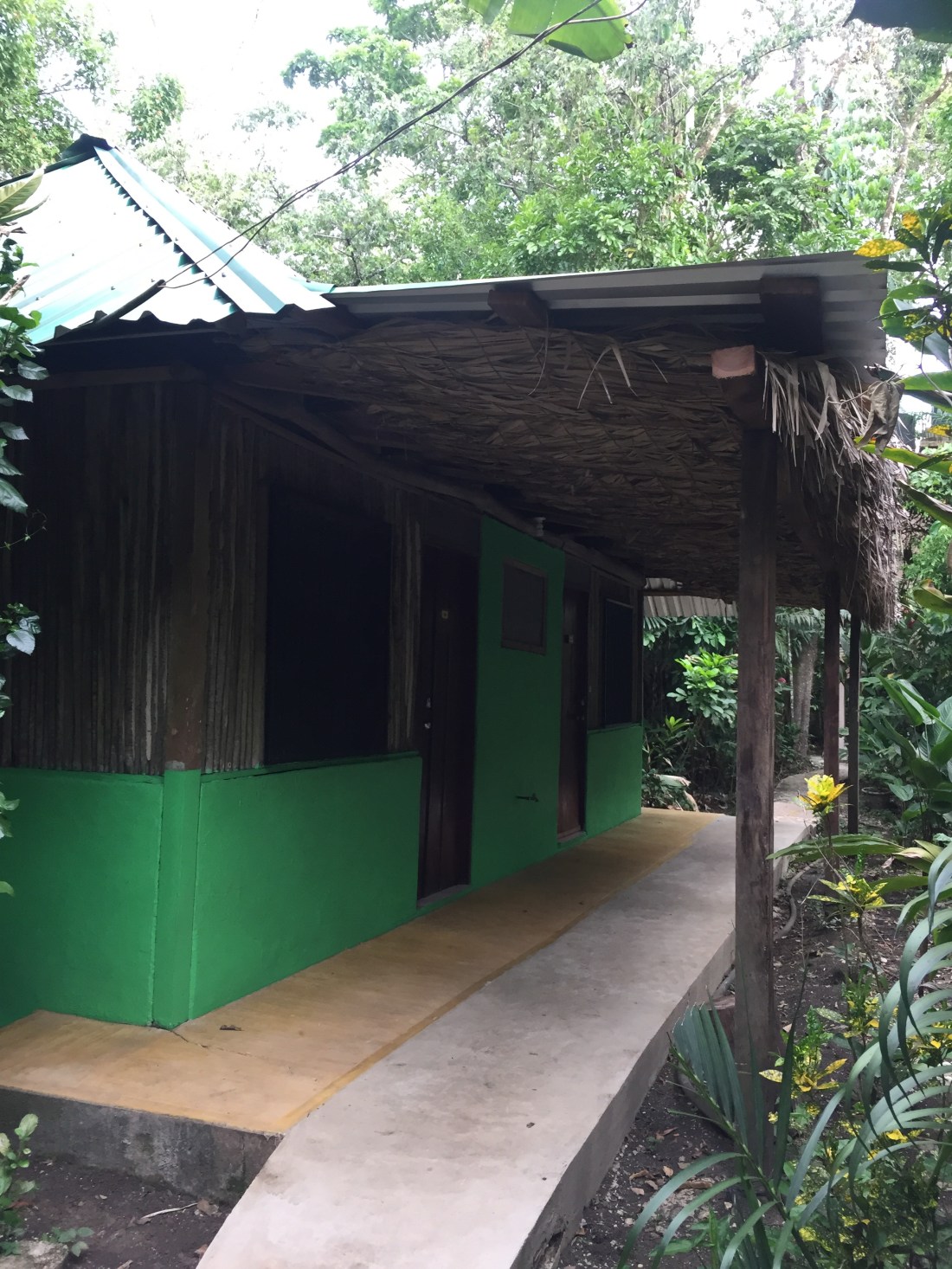
Next we headed into the Lacandon jungle, more specifically to El Panchan (a seemingly random selection of cabins amidst all the greenery). A restaurant, Don Mucho’s, provides food, drinks and live music for whoever happens to end up there. They served a honey Strongbow which made my day and somewhere along the way they installed a wood-fired pizza oven, so the pizzas were a highlight for Tom! We ate well thanks to this surreal establishment, and would fall asleep to the sounds of the jungle with our bellies full. Insects chirped all night, howler monkeys never gave up claiming their territory, and one particular bird always tweeted the same song each morning next to our window at around 7am.

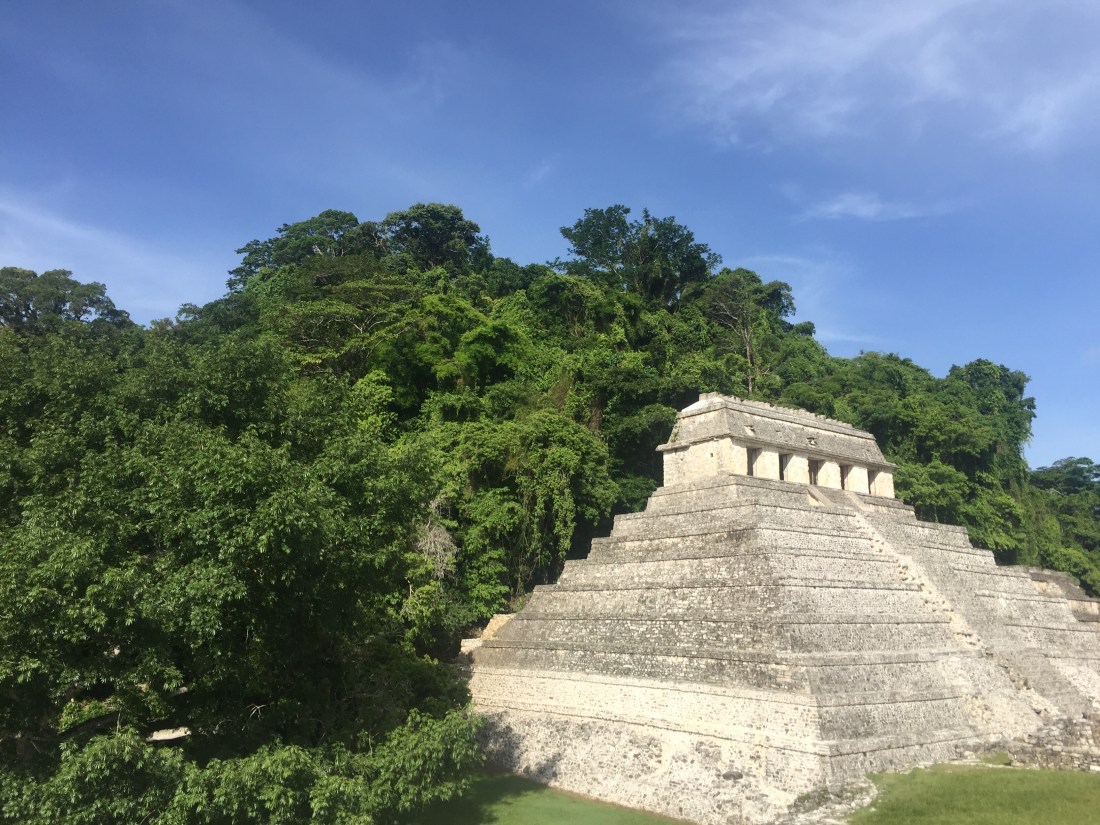
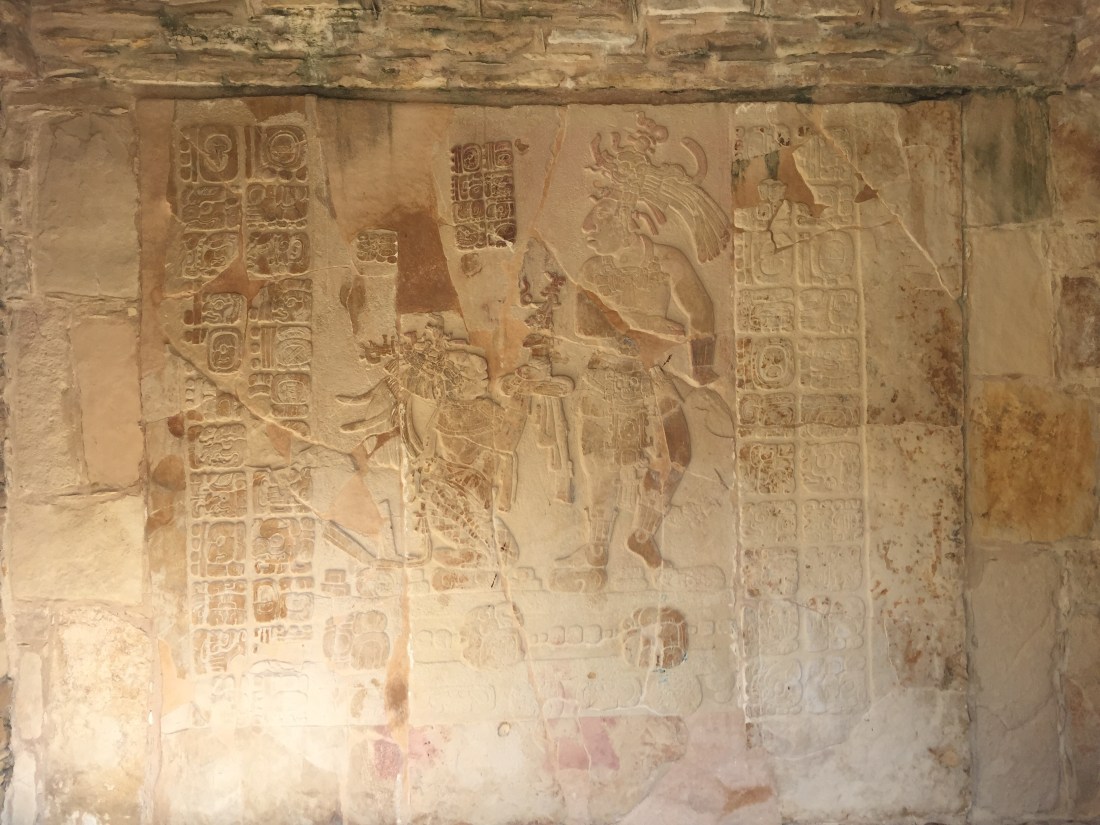
El Panchan is right next to the Palenque ruins, which are one of the biggest Mayan sites in Mexico (although only a small section has been excavated). It’s much larger and older than Chichén Itzá, and with the jungle as its backdrop it’s incredibly beautiful. The most famous temple is the one in the photo, where King Pakal’s tomb was discovered. Aside from this temple, visitors are allowed to climb all the ruins in Palenque, which we took full advantage of. The Palace was amazing, with various patios and passages to explore, especially the area where captives were brought before the nobility. Up the hill there was another section of temples, the Sun Temple (amazing roofcomb), the Cross Temple (this was huge and had lots of levels) and another temple that had fallen and now looked like Hansel & Gretel’s fairytale house. The amazing thing about these three temples is that when you climbed inside you were met with a stucco relief (similar to a carving in cement) that depicted a section of the history of those living here. We also looked through the Ball Court, Count Waldeck’s temple (where the English ‘explorer’ lived for a while), the Queen’s Bath and the museum (which houses many of the statues and icons from the temples, all in their original colours).

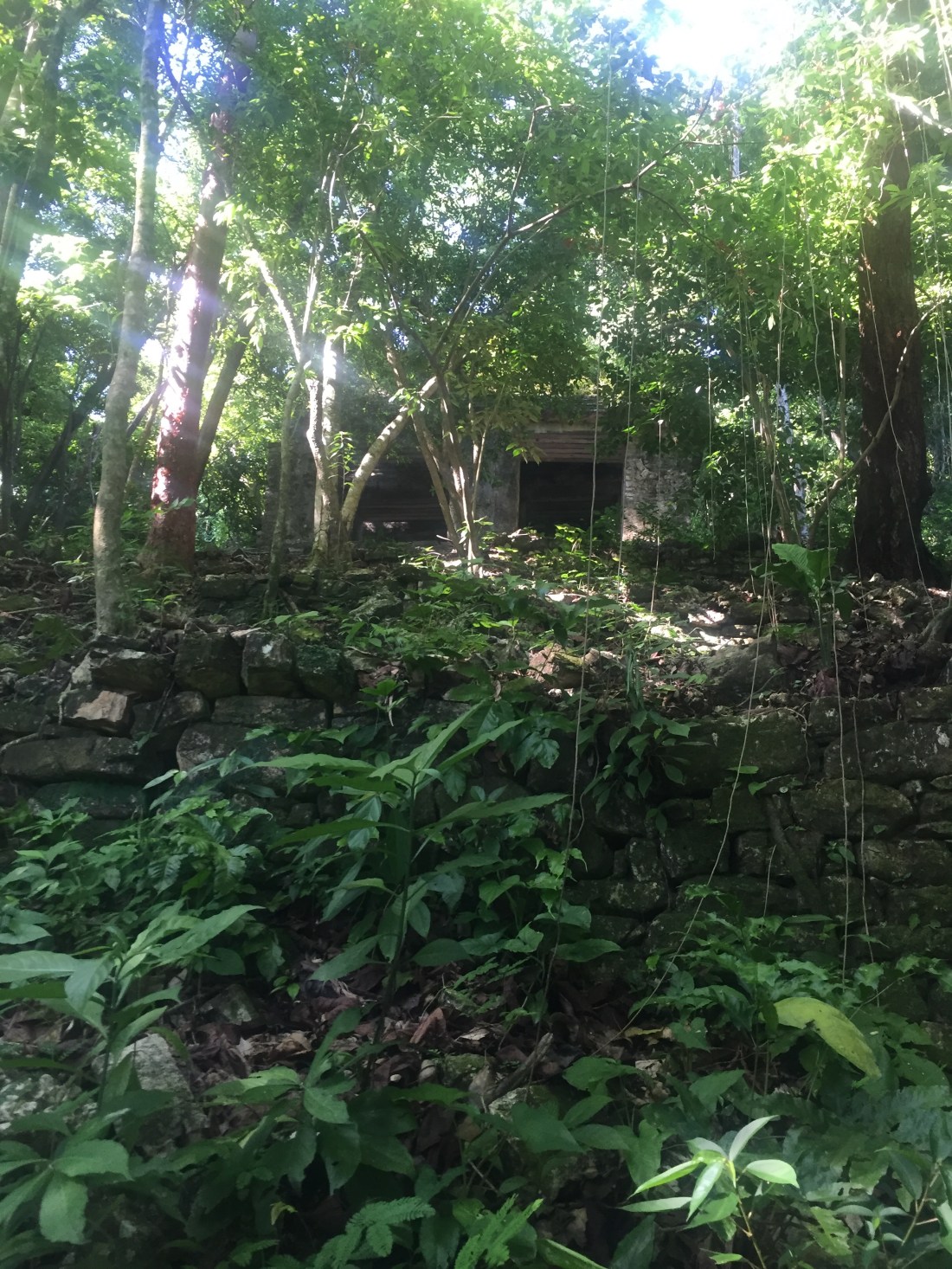
One day we decided to get a guide to show us through the jungle, so off we went one morning with Carlos! He didn’t fancy following any form of path and preferred to squeeze between the trees and under branches to show us the different plants and their medicinal, hallucinogenic or colouring function. It was so interesting, he speaks Zhol at home (one of the many Mayan languages) and was explaining how many Mayan customs are still very strong in the area. He pointed out how we were walking on hundreds of ruins that have now become part of the jungle, but he did show us the Hidden Temple that poked out from the greenery. It was here that we spotted our first Mexican howler monkey, snoozing in a tree, and later saw a family swinging about in the branches (they are a lot smaller than their deep howling suggests). We also saw a few toucans with their colourful beaks, and finally Carlos showed us to a small waterfall and pool where we couldn’t resist a dip in the fresh spring water.

We fancied a bit more swimming so headed to the Misol-Ha waterfall, which plummeted down from an impressive height, at incredible speed and strength. We repeatedly tried to swim as close as possible to its base but the force continued to push us back, it was huge. Next we went to Agua Azul which was a series of waterfalls that ran into turquoise pools, needless to say that a lot more swimming took place. It was hard to imagine that the colour of the water (caused by the calcium minerals in the riverbed) was real. The viewpoint at the top was really something, as we watched the blue water cascading down various levels until it disappeared into the jungle. We didn’t manage to take any photos of these two spots as we were busy swimming about, but search them up on Google as they’re so stunning!

City breaks

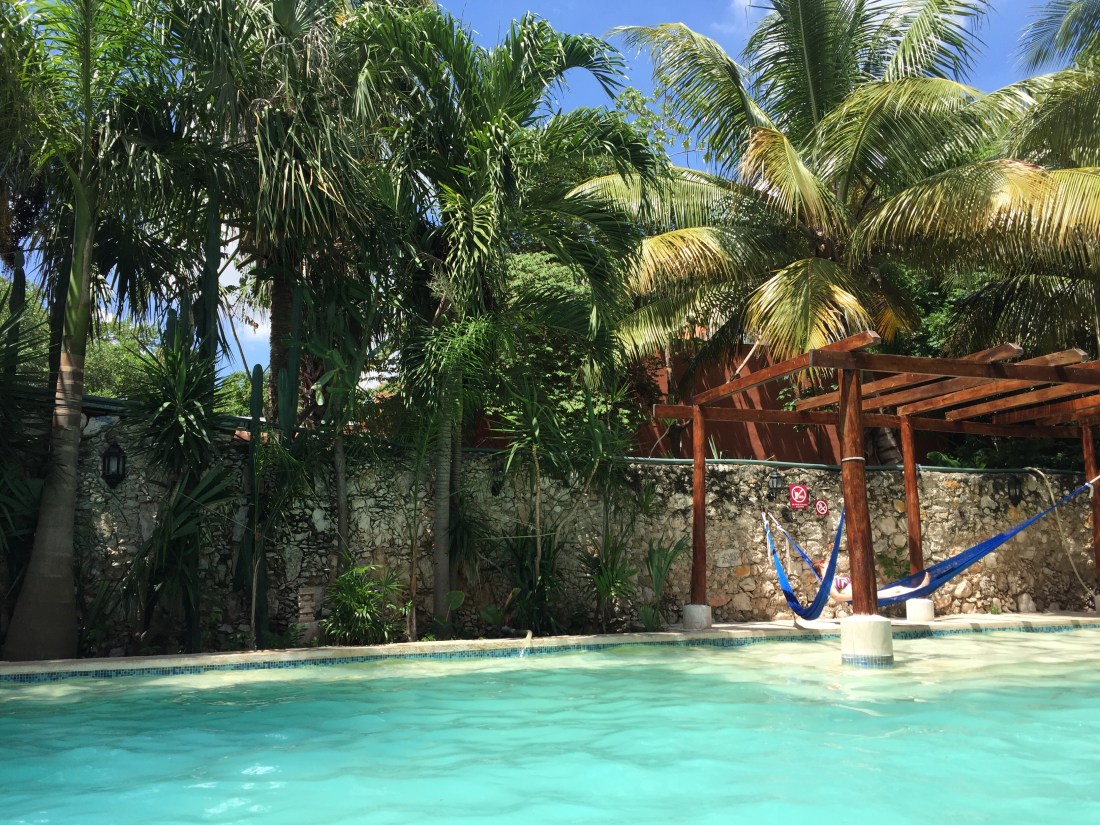
Explored some cities for a few days. First came Mérida after an EXCELLENT bus ride watching Mamma Mia (some of the buses are quite fancy). Lovely leafy main square, so we enjoyed our ice cream and did some people watching. Our hostel was almost a hotel, with this gorgeous pool surrounded by deckchairs and hammocks. This was a gorgeous retreat from the main heat of the day. We ate well here, Cochinita Pibil (local dish that is essentially pork belly nom nom nom) and even treated ourselves to a fancy steak and fish in the square one evening. This particular meal was coupled with a folkloric dance show from one of the local schools (kids balancing bottles on their heads whilst mastering some seriously complicated steps). We also became regulars at a small cafe for quesadillas/sandwiches/saladas and great juices.

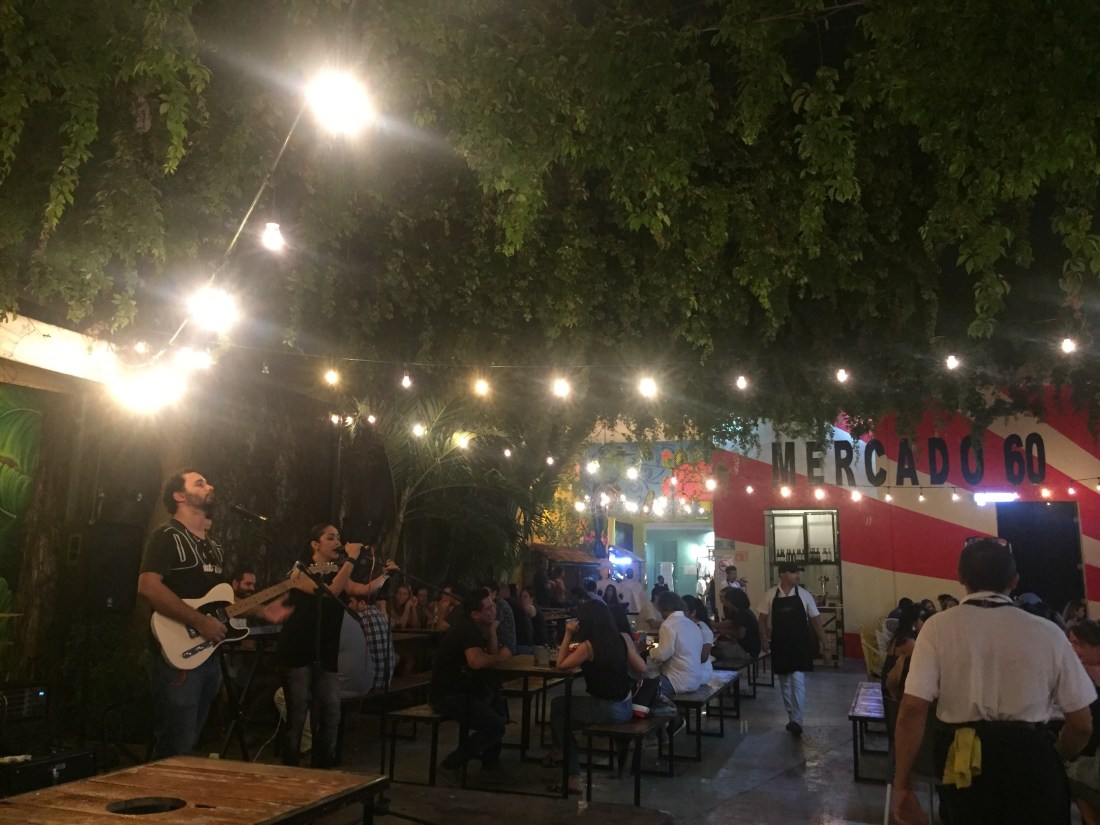
There were some cracking museums in Mérida, which provided both a culture fix and some much-needed air con! The Mayan one was really interesting, with an unbelievable amount of figurines depicting various scenes from history. Archaeologists had also moved statues and masks from various ruins (such as Chichén Itzá) to the museum for people to gaze at, these were amazingly detailed. There was also the INCREDIBLE Palacio de la Música which took you on a journey through the music of Mexico through indigenous to classical, showtunes to current bangers. It was full of recordings of all sorts of songs, as well as areas that were set up as theatres or cinemas so you could watch a ‘show’ of that particular genre. The best bit was a room set up as a recording studio, where behind the glass stood a grand piano, and holograms of various famous Mexican artists would sit down to play. It was mad. One evening we also discovered Mercado 60 which is an outside food court with bar and live music (straight out of Shoreditch!) Tequila is fab and margaritas are wonderful, although not quite sure about mezcal just yet.

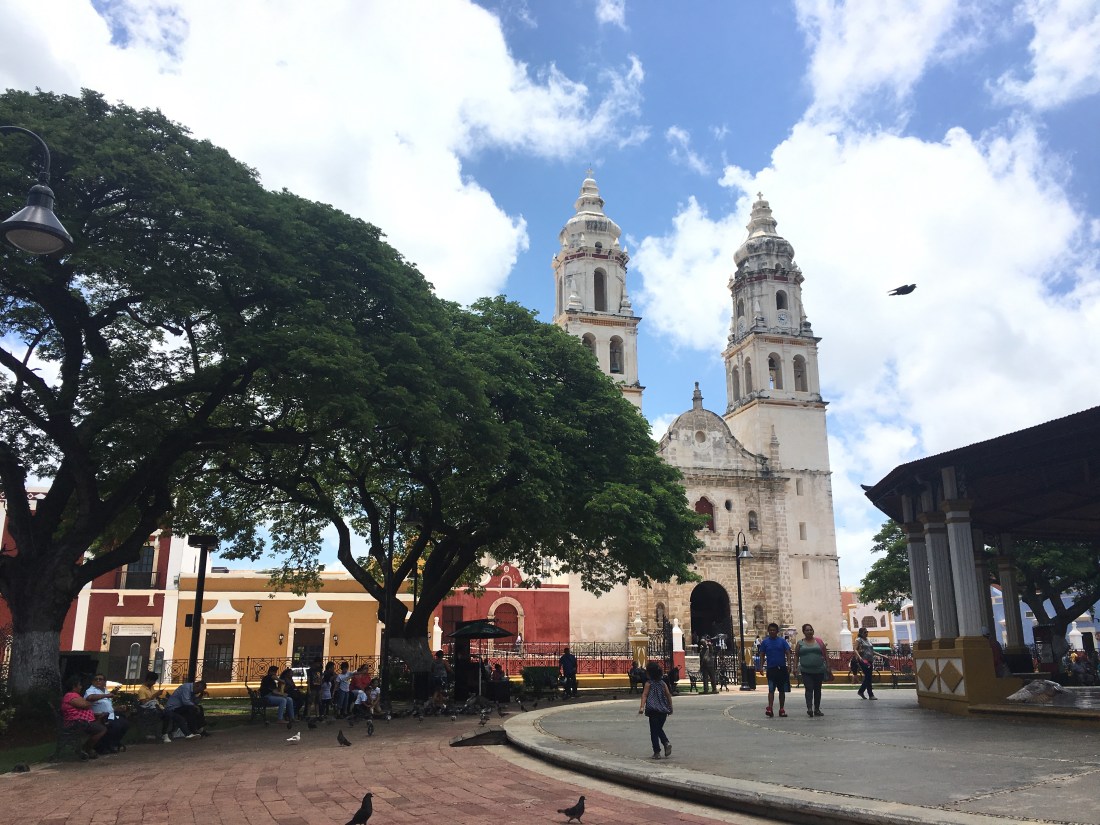
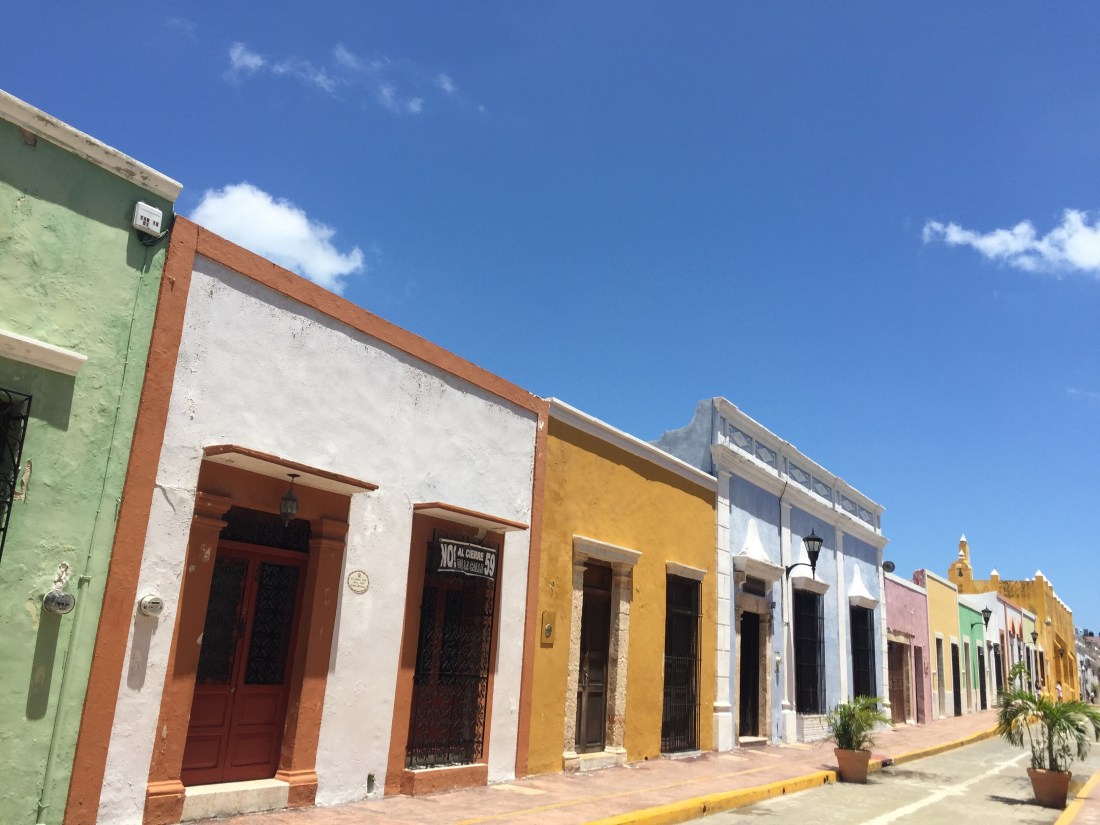
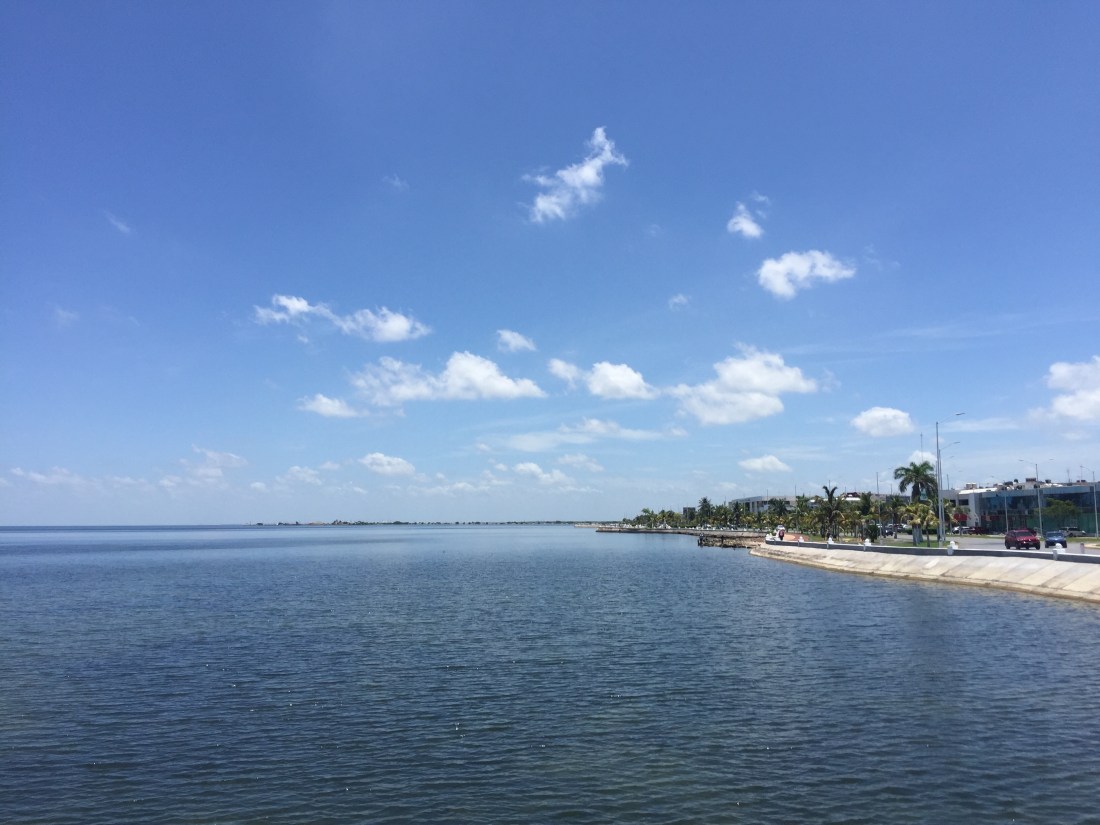
We caught the bus to the seaside city of Campeche and arrived in their afternoon storm (which is a regular occurrence during this rainy season). We haven’t seen rain that strong our whole trip, and coupled with roaring thunder and lightening that crossed the sky like veins, it was a relief when we found our place to stay. Tourism isn’t huge here (we only saw two hostels) so we went for an Air BnB. It was lovely to have our own space to cook carbonara and (amazingly!) watch Netflix. We also had our first experience of Walmart which was surreal as it’s HUGE and they sell EVERYTHING. Had a lovely wander around the coloured houses for the day, relaxing in the main square beside the cathedral (main photo) and gazing at the Gulf of Mexico from the malecón in the sunshine , before the inevitable afternoon storm crashed down.

A wonder of the world

Now we’re in Mexico with better internet, I’ll add more photos (many of which will be Tom’s as he’s better with the camera).

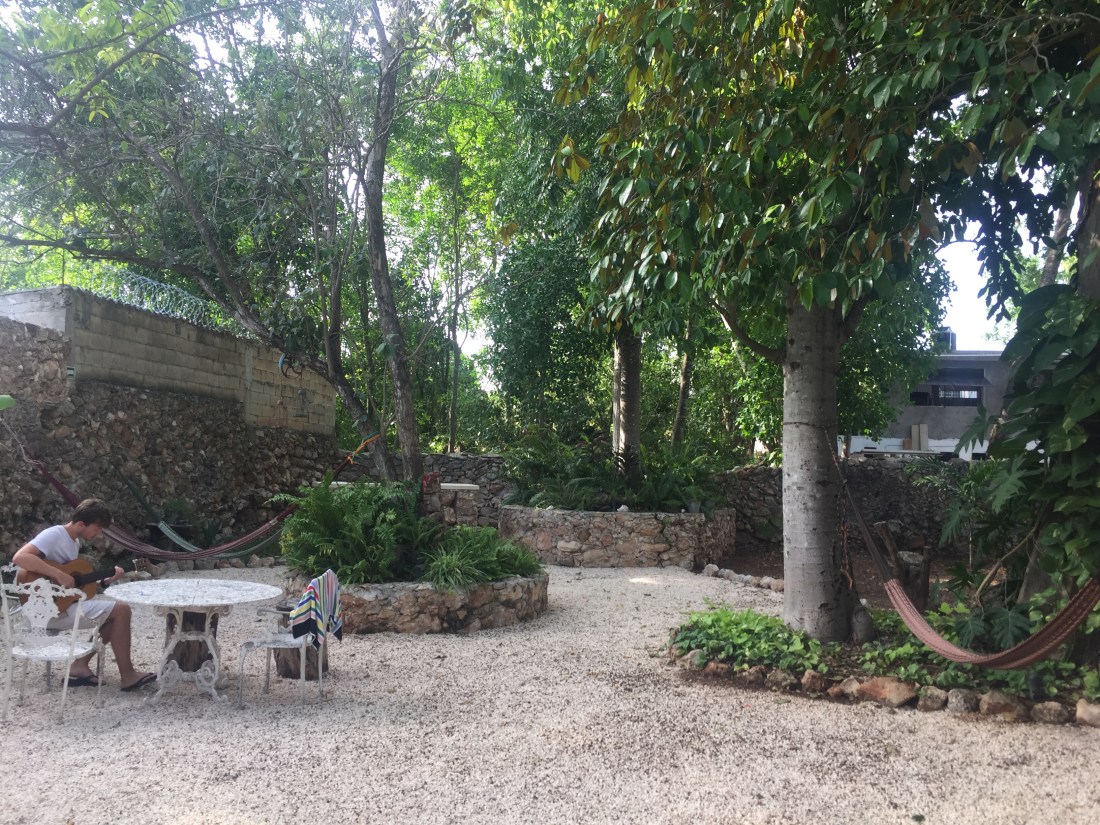
Our next stop was inland, in the town of Valladolid. We stayed in a stunning colonial building with incredibly high ceilings and a gorgeous patio with plenty of hammocks. Safe to say, we explored the surrounding area but certainly spent a great deal of time lounging (Tom found another guitar so he was happy). We also made the most of the old kitchen area and cooked ourselves lots of chicken and veg which was a good shout. One night we went into the city to watch a light show projected onto the convent, detailing the history of the area. We learnt about how important this area really was, but also the graphics were just very cool.

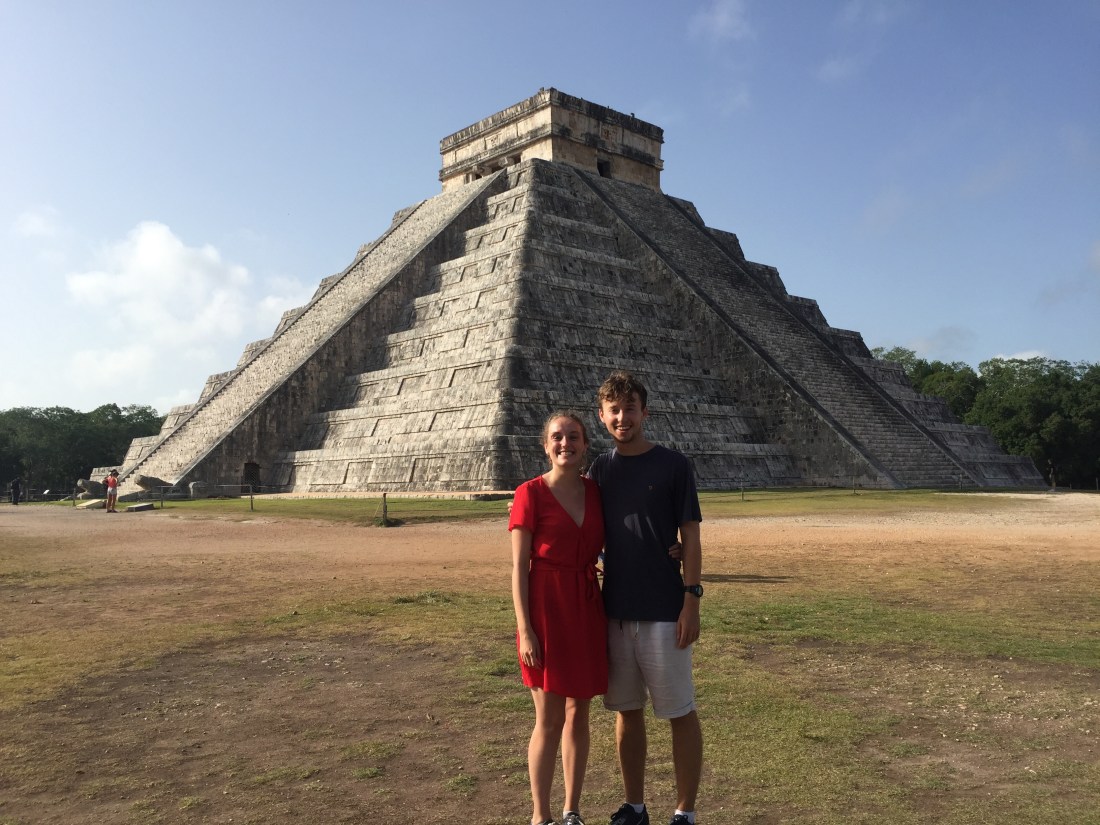
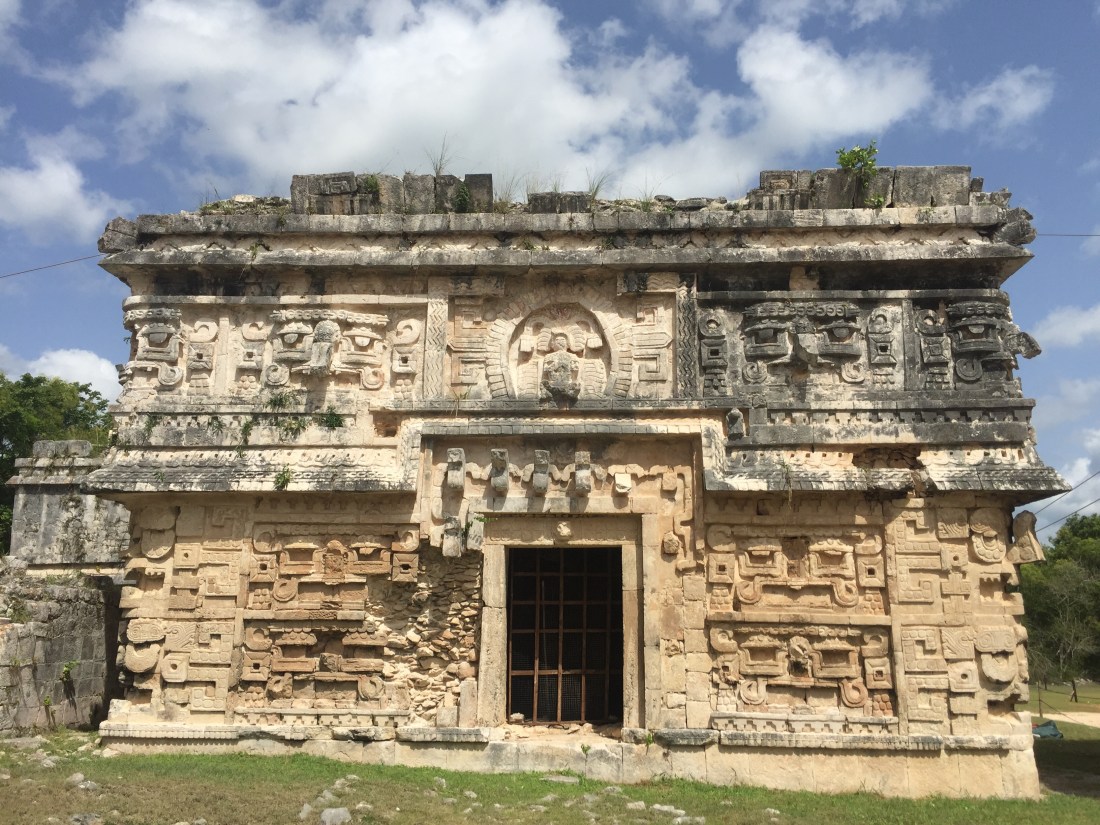
The main draw of Valladolid is Chichén Itzá, one of the 7 Manmade Wonders of the World, so we popped along. It’s essentially a Mayan city (also fused with Toltec structures) that consists of over twenty different ruins. The main one (the opening photo) is huge, amazingly preserved and just so impressive. The Great Ball Court was interesting (very into their sports but also merged them with sacrifices) and many buildings had amazing stone carvings of skulls, eagles or gods. One section is simply a group of columns, all engraved to correspond with various warriors. The site was incredibly vast and, as we’d arrived as it opened, it was fairly empty.

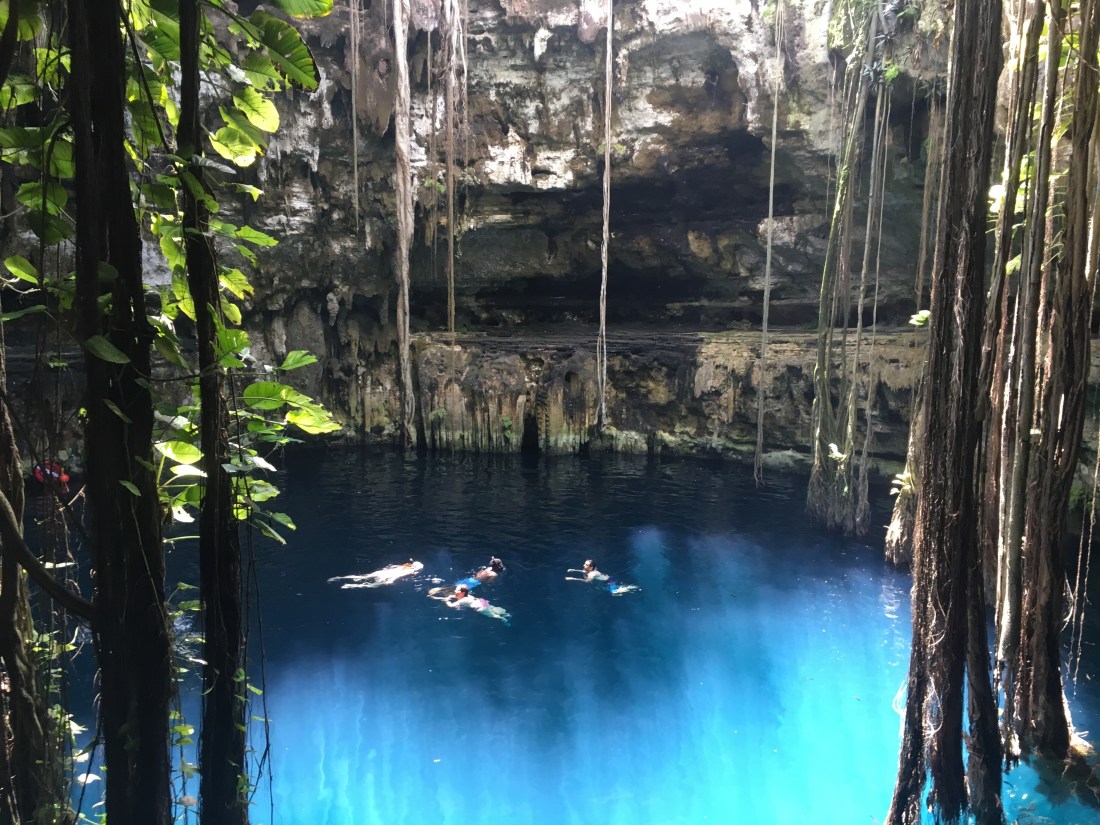
The Yucatan peninsula is also famous for its cenotes (sinkholes) that have appeared from cave roofs collapsing and the resulting cavern filling with rainwater. We headed to Hacienda Oxman to explore one, the water was really fresh and was full of little black catfish (with birds flying and bats hanging above). You entered the water via a rope swing, some entrances were more graceful than others! The tree roots all hung down the drop to reach the water and there were various patches of sunlight to enjoy. All in all, it was fairly idyllic, and topped off with an incredible portion of nachos, a fab day!

Tacos & turquoise seas

And just like that we arrived in Mexico. Our main agenda has been to sample as much food as possible, and we are doing fairly well. We’ve learnt the difference between tacos (open small corn tortillas), fajitas (DIY small corn tortillas), burritos (huge stuffed wheat tortillas) and enchiladas (small corn tortillas covered in sauce). We’ve tried all four types and are very happy, especially having discovered the breakfast treat that are chilaquiles.

It’s a lot cooler here and it’s funny that wifi is now so easily accessible after Cuba. Finding a supermarket was also a highlight! We left Cuba with a few bottles of Havana Club rum so homemade Cuba Libres are popping up everywhere. On that note, the margaritas here are very strong and I’m not complaining one bit.

First, we headed to the Hotel Zone in Cancún (in high season it’s apparently packed) and found a quiet spot at Playa Langosta. As the title suggests, the water was extremely clear and the caster-sugar sand made it all feel like something from a holiday brochure. So relaxed.

Second, we caught the boat to the island of Cozumel. Being a big snorkelling/diving stop for the US cruise ships, it was full of tat shops with prices in dollars, but we got our time in the water nevertheless. Sharing a boat with a Cancún family (who wanted to talk all about the monarchy, British music and Peaky Blinders), we set off to explore the reefs amidst a rainstorm. The weather improved and we could crack on with our snorkelling! The starfish at El Cielo were huge and rock hard, Colombia Reef boasted rays and a beautiful sea turtle, then Palancar introduced us to shoals of brightly coloured fish to finish.

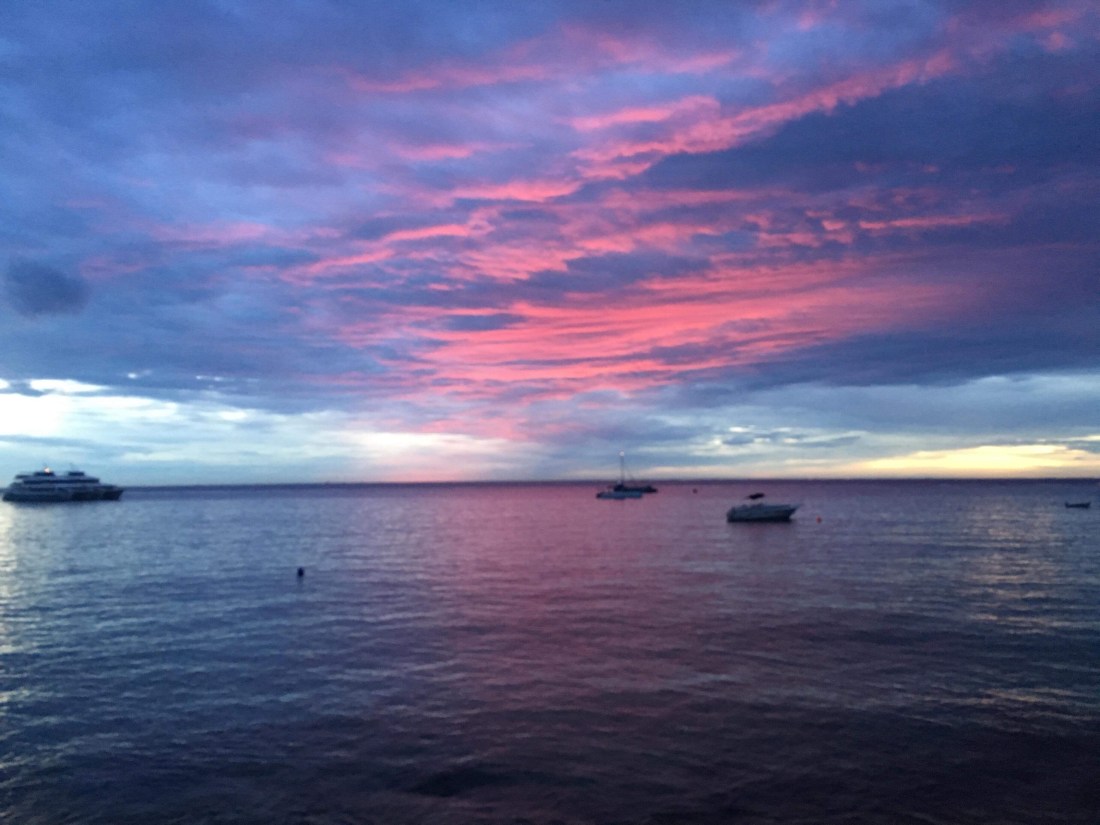
We ended our time on the island with the gorgeous sunset in the photo. Onwards!

Havana ooh na-na

We concluded our Cuba trip with a good few days in Havana, a huge sprawling city which comprises of Habana Vieja (the old town), Centro Habana and Vedado (mainly residential). We were staying with a friend of a friend, Lorenzo, in his penthouse studio apartment. The space was originally an art gallery, with white walls displaying various artworks, three terraces for people to discuss artsy things, and an excellent sound system. However, once the state prohibited this kind of private enterprise, the gallery was closed and now is essentially just a very lovely place to live. Needless to say, living with Lorenzo gave us a unique experience of the city as well as an insight into what young people think of the situation in Cuba. As he was a designer who seemed to know all of Havana, we bustled around from his various friends’ shops, bars, clubs and had an excellent time!

We were based in Vedado which meant we explored the nearby John Lennon park (they are obsessed with the Beatles!), the Revolution Square (which fills with thousands of people on rally days) and wandered past the university (weirdly similar to UCL with its Greek columns). We also headed to the Museo de Bellas Artes to see the Cuban contemporary art which was WONDERFUL. The Revolution Museum was under renovation which was a shame but we did go inside to marvel at the impressive Presidential building.

We ate well in Havana, arriving to vaca frita (fried shredded beef) with yerbabuena lemonade (like mint). Throughout our stay we munched on Lorenzo’s great cooking which began with a local dish of beef mince, olives, fried egg and spices (which had been noticeably absent during the majority of our trip). At one point we also found a grill and ordered every meat on offer, it was a dream.

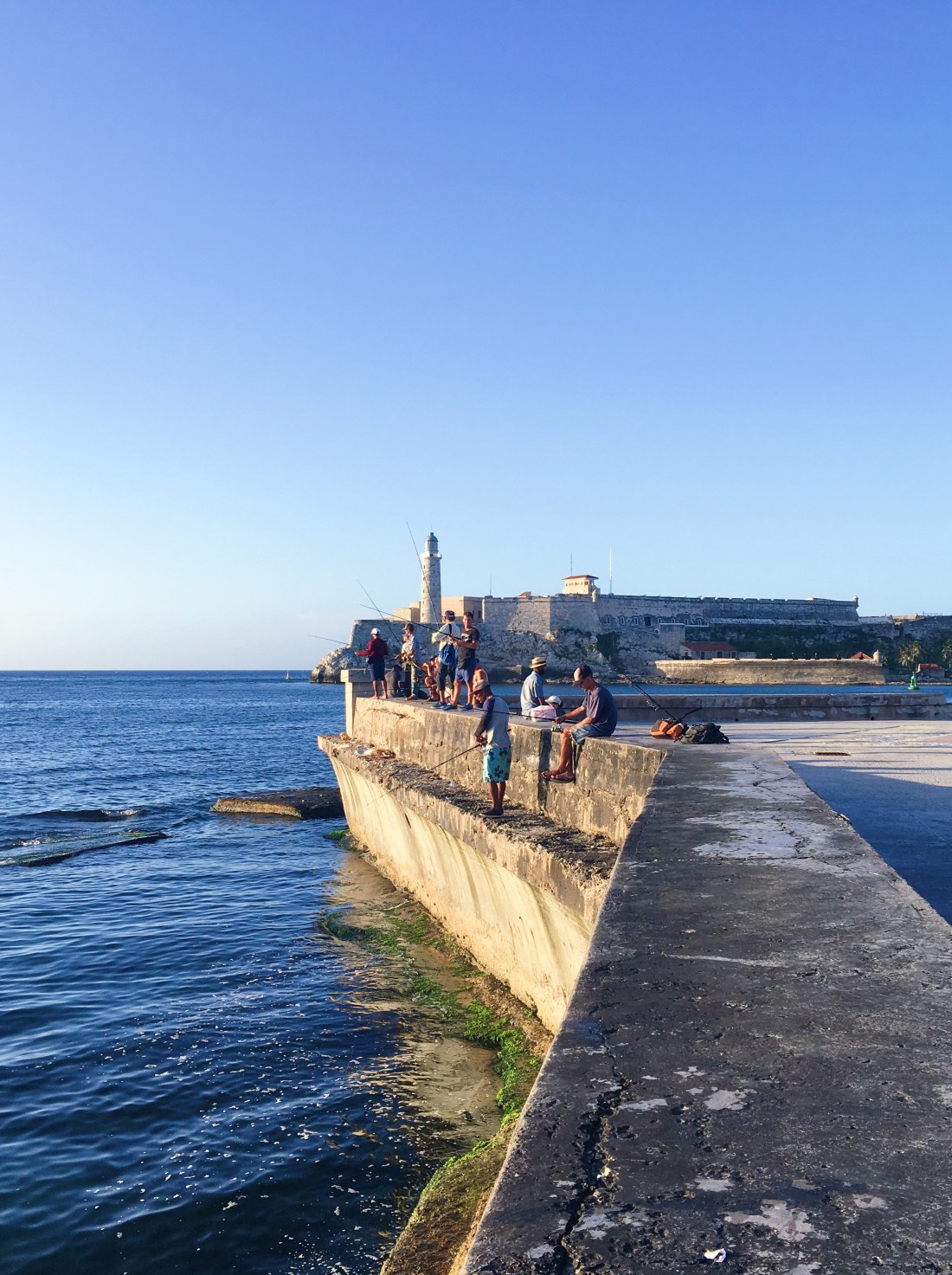
It was very hot, 41 degrees for the majority of the day, but we still managed to wander around the Old Town and explore various plazas. We saw the Capitolio building, which is the Cuban (larger) copy of Washington D.C’s Capitol. I couldn’t help but see the irony of the Cuban state declaring its independence and revolution by constructing a building that mimicked the very forces of power they had been struggling against. Havana is famous for the malecón (promenade) which runs the whole way round the city, where the fishermen spend their days and many people gather in the evenings. We spent a lot of time here, hence the photo.

Lorenzo sorted us out in the evenings after work, firstly taking us to the Cañonazo ceremony in the castle (where young men spend their military conscription acting out the English firing the canon every evening, reminiscent of how they protected the city for the period when they were here). A rooftop bar then led into an impromptu street art tour by night (Havana is very artsy). We had some cracking sunsets from the malecón and the roof of the apartment. One night we were knackered after so much wandering but ended up at a hidden club in the Old Town, and perked up after a few Ron Collins. To give you an idea, there was a platform in the middle of the small room where the good dancers would strut their stuff whilst often suspending themselves from the handles that were attached to the ceiling. We took some tips and continued bopping about in the corner.

To finish off, we spent our last night watching an Interactivo gig, which to our surprise only started at 1am. Perhaps more like a jam, the 21-piece band improvised their way through a fusion of jazz-salsa-Cuban music and got everyone on their feet (even us!). It was absolutely amazing: singers, keyboard, guitar, bass, drums, bongos, percussion, violin, trombone, trumpet, saxophone, flute… Havana you’re fab.

Che day!

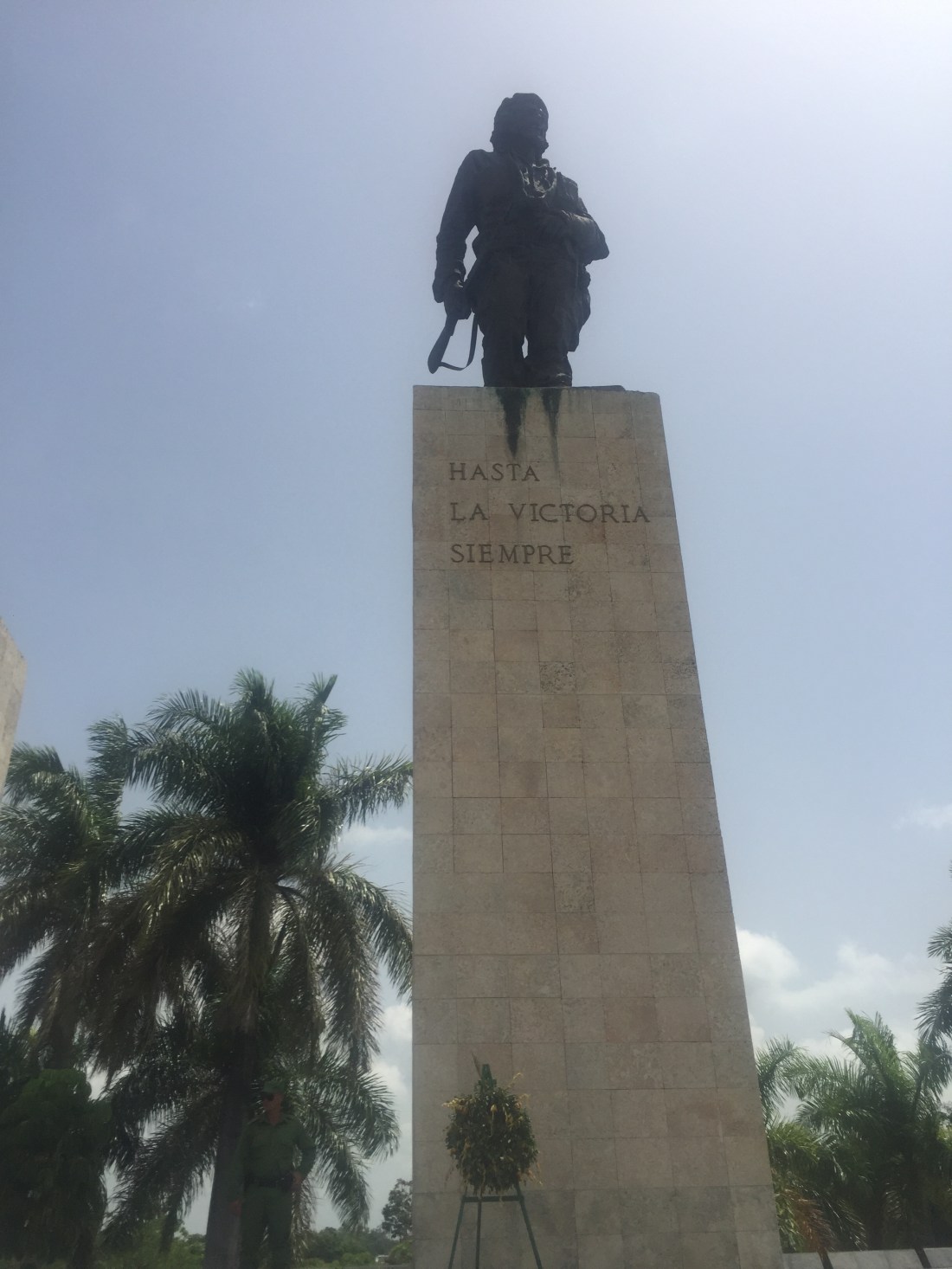
Headed to Santa Clara to learn all about Mr Ernesto Guevara. The monument to the revolutionary hero was absolutely huge, and featured this statue of him as well as columns explaining his trajectory and his final letter to Castro. The museum was really interesting although it included nothing about how he died. The mausoleum was really atmospheric, with plants and a campfire structure to evoke his guerrilla past. Che’s remains were marked with a carving of his face, as were the collection of comrades’ positioned around him.

Our guesthouse completed the adventure perfectly, as apparently Che stayed here when he visited his then-girlfriend Aleida before they became married. The guesthouse also had a stunning garden patio in which we spent our evenings after sourcing a guitar. We tried the countryside stew called ajiaco and yet again found ourselves at a late-nighty icecream cafe (Cubans loooove them!).

Cooling off in the watering hole

Had a gorgeous bus ride along the Circuito Sur coastline towards Cienfuegos. Wandered through this much bigger city (that had belonged to the French) and settled along the malecón (promenade) for shrimps at sunset. Such lovely hosts once again, they invited us to eat dinner with them on the day of the fish market (it seems that kids move out and Cuban parents start guesthouses). With me translating, we had a really interesting chat about the consequences of the Revolution and how the State functions now. They also recommended we visit the Benny Moré centre, where we watched a local guitar trio wow the crowds under the name of the local musical legend.

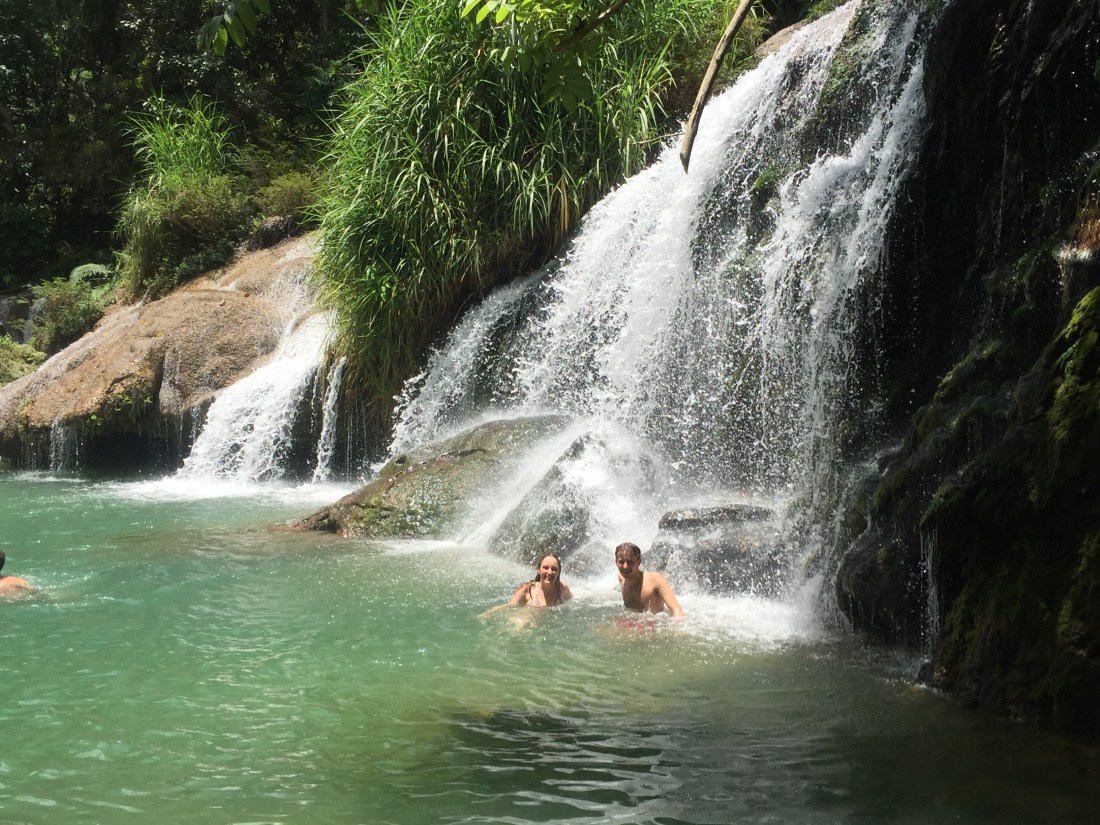
We grabbed a colectivo (this one was a blue vintage American car) to the green mountains of the Sierra de Escambray, where a lot of fighting happened during the Revolution. We headed to the national park called El Nicho via the Cumanayagua road, whose curves inspire a fair few chat up lines. We found ourselves in a series of stunning waterfalls and natural pools that were incredibly fresh (see us grinning). Afterwards we took the woody trails through to the huge waterfall that crashed into the rocks at incredible speed, and another natural pool near a stunning viewpoint. Back in town, we wandered through a tourist artisan market that is now deserted thanks to Trump’s recent ban on US cruise ships stopping at Cuba (coastal Cienfuegos was a definite hotspot).

Another day we had an eventful journey on the commuter ferry across to Jagua, bearing in mind that it’s been averaging 36 degrees. No word of a lie, there were about 200 people crushed into this small boat for the 40 minute trip across the bay. Needless to say, we were both hot and rather bothered. Enduring that journey ended up being worth it as we marvelled at the view from the castle, an old Spanish fortress, and had a brilliant guide to explain the various stages of its history. Although sadly, due to Trump’s travel ban, the castle and museum were completely empty. At one point, the Soviet Union decided to start building a nuclear power plant nearby, which meant thousands of men and women travelled from all over Cuba for work. When the Soviets left Cuba, they thus left behind thousands of people stuck on this small outcrop of land, who had to find alternative methods of employment, much of which was fishing.

The Cuban diet consists mainly of meat/fish with rice (which is grown here with the help of Vietnamese residents). Vegetables, especially fresh ones, are few and far between. However a cafe on the main square served a cracking tuna salad which I ate every day we were here, to sort out my vegetable fix! Also, another culinary treat was Coppelia, the ice cream cafe which was buzzing all day and night as the locals ordered bowl after bowl of the day’s flavour.

We do like to be beside the seaside

Had an adventure getting to Trinidad as the night bus overheated and proceeded to break down, but arrived eventually at 9am. Went for a nap that lasted 6 hours and then admired the beautiful plant-filled patio of our next guesthouse, complete with the seemingly characteristic pairing of dark mahogany & white cast iron furniture (so many rocking chairs!). Wandering through the colonial town we noticed that, whilst elsewhere we’d been a novelty as tourists, here the town was clearly geared towards the industry. Although perhaps not feeling particularly authentic, this did mean a lot of very good dinners with plenty of cancháncharas (the local cocktail). Closer to the sea means that fish is everywhere and very very good!

We used the city as a base to visit the seaside, firstly by grabbing a colectivo (car share) down to the fishing village of La Boca. We faffed about in the water, backgrounded by the mountains, and joined the locals in enjoying their Sunday. After a few cold cans over cards, and weirdly lots of popcorn, we returned to Trinidad only to find that Waldo was performing!!! Turns out he is doing the same Cuba tour as us.

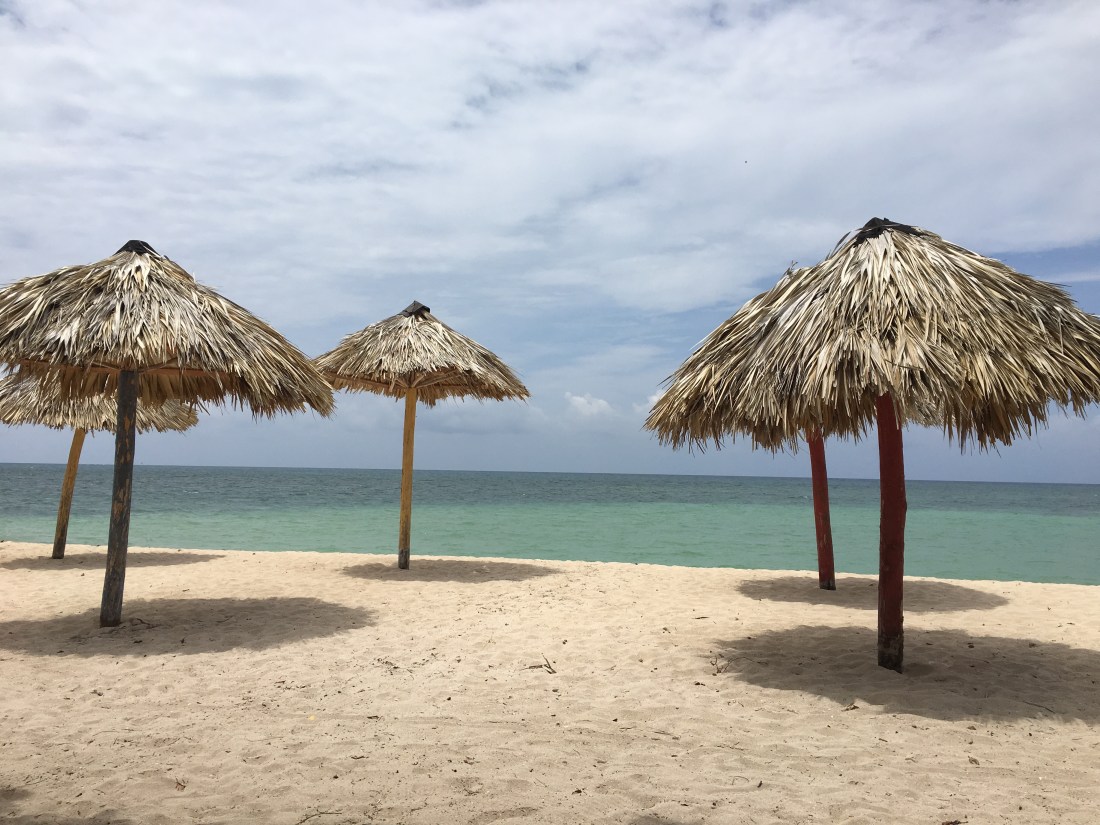
The next day we got a double decker bus to Playa Ancón, although I still have no idea how it got through all the cobbled streets. Found a quiet spot and enjoyed a morning swim before wandering along a fair section of the 8km sandy shore. After some incredibly fresh fish we sat under a palm shade (pictured) and enjoyed our last bit of sun. Back in town we listened to a local band, ate, and went to watch a salsa group (I don’t understand how these people can move so well). Sent our families some postcards (we’ll see if they arrive!) and said goodbye to our latest spot.